
Enhancing Your Vehicle with Quality Window Tint Near Me
Understanding Window Tint Near Me
What is Window Tinting?
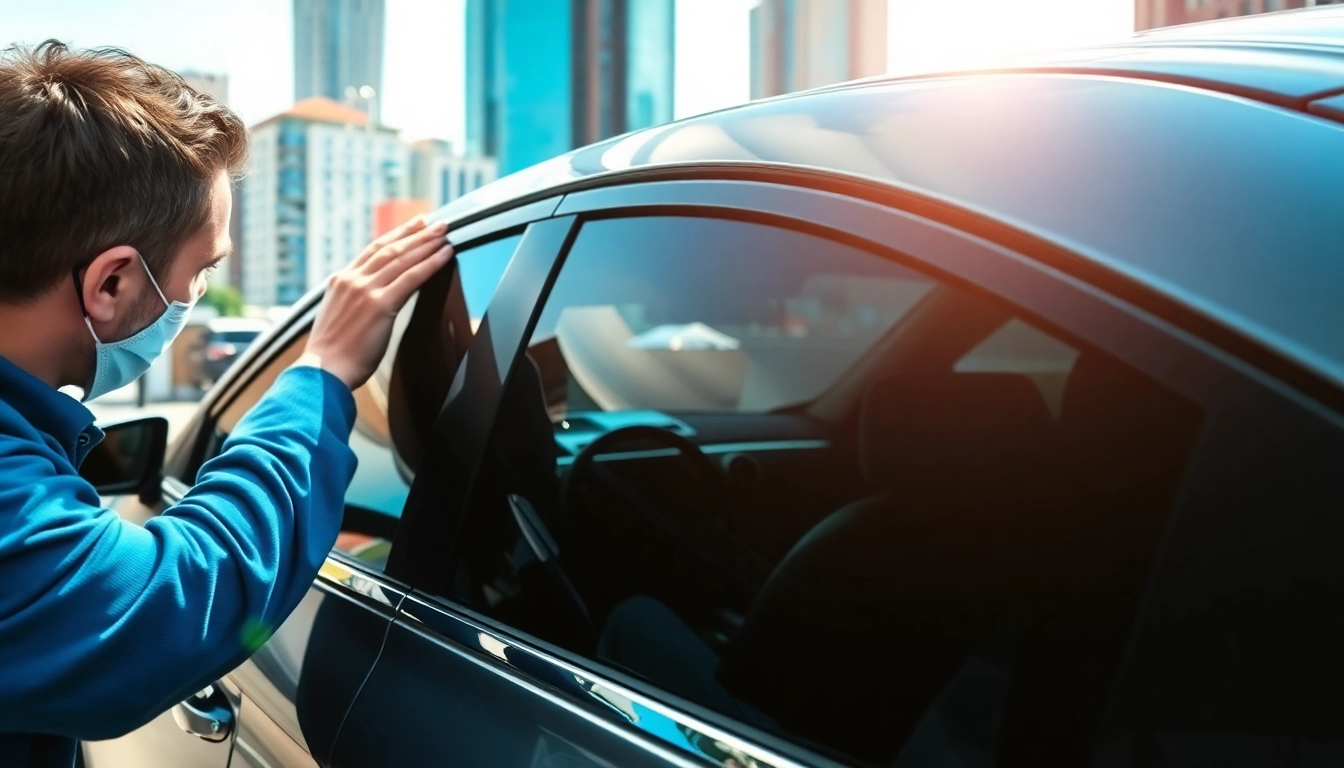
Window tinting involves applying a thin laminate film to the interior or exterior of a vehicle’s windows. The primary purpose of this film is to reduce glare and heat from sunlight, enhance privacy, and improve aesthetic appeal. These tint films can vary significantly in thickness, material type, and color, and they can allow visible light to varying degrees. Generally, window tinting is categorized into two primary types: dyed film and metalized film. The most advanced options include ceramic window films, known for their durability and heat rejection properties.
Benefits of Window Tinting
There are numerous advantages to having your windows tinted, particularly in the context of vehicle use. Firstly, window tinting significantly increases UV protection. The films used can block up to 99% of harmful ultraviolet rays, protecting passengers and the interior from damage. Secondly, it enhances safety; in the event of an accident, tinted windows can hold shattered glass together, preventing potential injuries. Thirdly, the heat rejection qualities of many films can improve comfort by keeping the vehicle cooler in delivery of air conditioning efficiency. Lastly, the aesthetic enhancement cannot be ignored; a well-tinted vehicle often stands out for its sleek and polished look. Essentially, when you search for window tint near me, you are investing in comfort, safety, and style.
Types of Window Tint Available
Understanding the different types of window tint available helps in making informed decisions. Here are a few popular options:
- Dyed Window Tint: This classic option is made by placing a layer of dye between the adhesive coating and the protective layer. Dyed tints are known for their privacy-enhancing features and absorb sunlight, reducing glare.
- Metalized Window Tint: Utilizing metal particles to block heat and glare, this type is more durable and provides better heat resistance than dyed films. However, it can interfere with electronic installations such as GPS and radio signals.
- Ceramic Window Tint: One of the latest advancements in window tint technology, ceramic films are made with non-metallic particles that reject heat and UV rays effectively without affecting visibility. While more expensive, they provide superior benefits in terms of durability and performance.
- Carbon Window Tint: This type provides excellent heat rejection properties and is non-reflective, giving a matte finish to windows, which is aesthetically pleasing.
Choosing the Right Window Tint Near Me
Factors to Consider
When searching for the right window tint near me, several factors need to be considered to ensure the selection meets your specific preferences and requirements. These include:
- Local Climate: If you live in a sunny area, a window tint with high UV and infrared rejection properties is essential.
- Privacy Needs: Depending on your personal preferences or your vehicle’s usage, consider how much visibility you desire. Tints come in varying levels of darkness and reflectivity.
- Durability: Some films may deteriorate faster than others based on environmental exposure. Opt for films that offer warranties, which often indicate higher quality.
Local Regulations and Permits
Before proceeding with window tinting, it’s crucial to understand local laws regarding window tint. Many regions have strict regulations concerning the degree of tint permitted on vehicles to ensure visibility for law enforcement and safety. Familiarizing yourself with these regulations can prevent legal issues and ensure your vehicle complies. This information can typically be found on state transportation websites or by contacting local authorities.
Material Quality and Warranty Options
The quality of materials used in window tinting can significantly affect the long-term performance of the tint. When considering window tint near me, inquire about the brands and types of film the service provider offers. High-quality films often come with warranties ranging from several years to a lifetime coverage, which is a testament to the durability and effectiveness of the product. Ensure you understand what the warranty covers, specifically in terms of fading, bubbling, and peeling.
Finding Reliable Window Tinting Services
Evaluating Local Providers
Finding reputable window tinting services requires research, particularly online to assess a provider’s credibility. Consider checking professional associations or directories, which usually list qualified service providers within your vicinity. Moreover, visiting providers in person can be beneficial to gauge the professionalism and expertise of the staff.
Reviews and Testimonials
Customer reviews and testimonials serve as a rich resource when selecting window tint services. Potential clients should explore ratings and feedback on multiple platforms, including Google, Yelp, and specific automotive forums. Pay attention to comments regarding quality of work, customer service, and aftercare support. Consistency in positive feedback signifies a trustworthy provider.
Price Comparison Strategies
Price can vary significantly among different window tinting services, influenced by factors such as the type of film used, the size of the vehicle, and labor costs. To find competitive prices, consider requesting quotes from multiple local providers. However, remember that the cheapest option may not always deliver the best results; weigh this against the quality of materials and services offered.
DIY vs Professional Window Tint: Pros and Cons
Cost-Effectiveness of Professional Services
While DIY window tinting can appear cost-effective, professional services often provide higher value due to their expertise and access to superior materials. Professionals ensure that the tint is applied correctly, avoiding issues such as bubbling, peeling, or misalignment. In some cases, the price difference can be justified by the longevity and effectiveness of the film applied professionally.
Common DIY Mistakes
DIY window tinting carries the risk of several common mistakes that can affect the final outcome. Such mistakes may include uneven application, trapping air bubbles, or miscalculating the size needed. Additionally, improper cleaning of windows before application can lead to reduced adhesion and premature failure of the tint. Therefore, understanding the risks associated with a DIY approach is crucial.
Time Investment and Skill Requirements
Successful window tinting requires a substantial investment in time and requires some level of skill. Professionals spend years mastering their technique to ensure a quality finish, which may not be achievable for a novice attempting this task without prior experience. It includes understanding how to properly measure the glass and manage the heat and humidity during installation.
Maintaining Your Window Tint
Care Tips for Longevity
To maximize the lifespan of your window tint, adhering to proper care practices is essential. Initially, avoid rolling down your windows for at least a week after installation to allow the adhesive to set properly. Cleaning should be done gently using a soft cloth and ammonia-free cleaners; harsh chemicals can degrade the film over time. Regularly inspecting the tint for any signs of wear and tear can help catch potential issues early.
Signs Your Tint Needs Replacement
Over time, even the most durable window tints can show signs of degradation. Common indicators that your tint requires replacement include discoloration or fading, bubbling or peeling edges, and scratches that disrupt visibility. Should you notice any of these signs, seeking professional advice would be the best course of action.
Frequently Asked Questions about Window Tint
How long does window tint last?
High-quality window tint can last between 5 to 15 years, depending on material and care.
Is window tinting legal everywhere?
No, regulations on window tint levels vary by state and country, so it’s essential to check local laws.
Can window tint reduce interior temperature?
Yes, window tint can significantly reduce heat entering the car, making it cooler and more comfortable.
Does window tint block UV rays?
Most window tints block up to 99% of UV rays, protecting passengers and reducing sun damage in the vehicle.
Can I install window tint myself?
While possible, DIY installation can lead to poor results; professional installation is recommended for best outcomes.